
Africa to be Declared Free of Wild Polio Soon
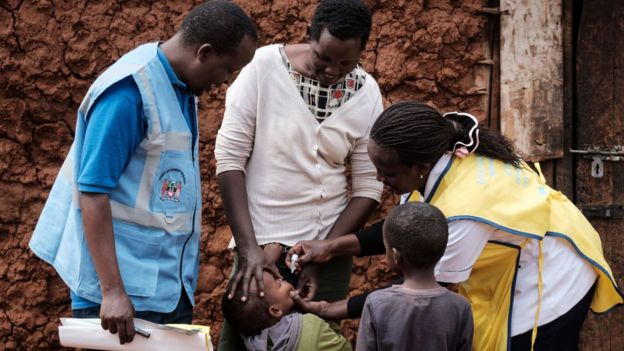
Polio
usually affects children under five, sometimes leading to irreversible
paralysis. Death can occur when breathing muscles are affected.
Twenty-five
years ago thousands of children in Africa were paralysed by the virus.
The
disease is now only found in Afghanistan and Pakistan.
There
is no cure but the polio vaccine protects children for life.
Nigeria is the last
African country to be declared free from wild polio, having accounted for more
than half of all global cases less than a decade ago.
The vaccination
campaign in Nigeria involved a huge effort to reach remote and dangerous places
under threat from militant violence and some health workers were killed in the
process.
Polio is a virus
which spreads from person to person, usually through contaminated water. It can
lead to paralysis by attacking the nervous system.
Two
out of three strains of wild polio virus have been eradicated worldwide. On
Tuesday, Africa is to be declared free of the last remaining strain of wild
poliovirus.
More
than 95% of Africa's population has now been immunised. This was one of the
conditions that the Africa Regional Certification Commission set before
declaring the continent free from wild polio.
Now only the
vaccine-derived polio virus remains in Africa with 177 cases being identified
this year.
This
is a rare form of the virus that mutates from the oral polio vaccine and can
then spread to under-immunised communities.
The
World Health Organization (WHO) has identified a number of these cases in
Nigeria, the Democratic Republic of the Congo, Central African Republic and
Angola.
Without a cure a
vaccine developed in 1952 by Dr Jonas Salk gave hope that children could be
protected from the disease. In 1961, Albert Sabin pioneered the oral polio
vaccine which has been used in most national immunisation programmes around the
world.
In 1996 poliovirus paralysed more than 75,000 children across the continent - every country was affected.
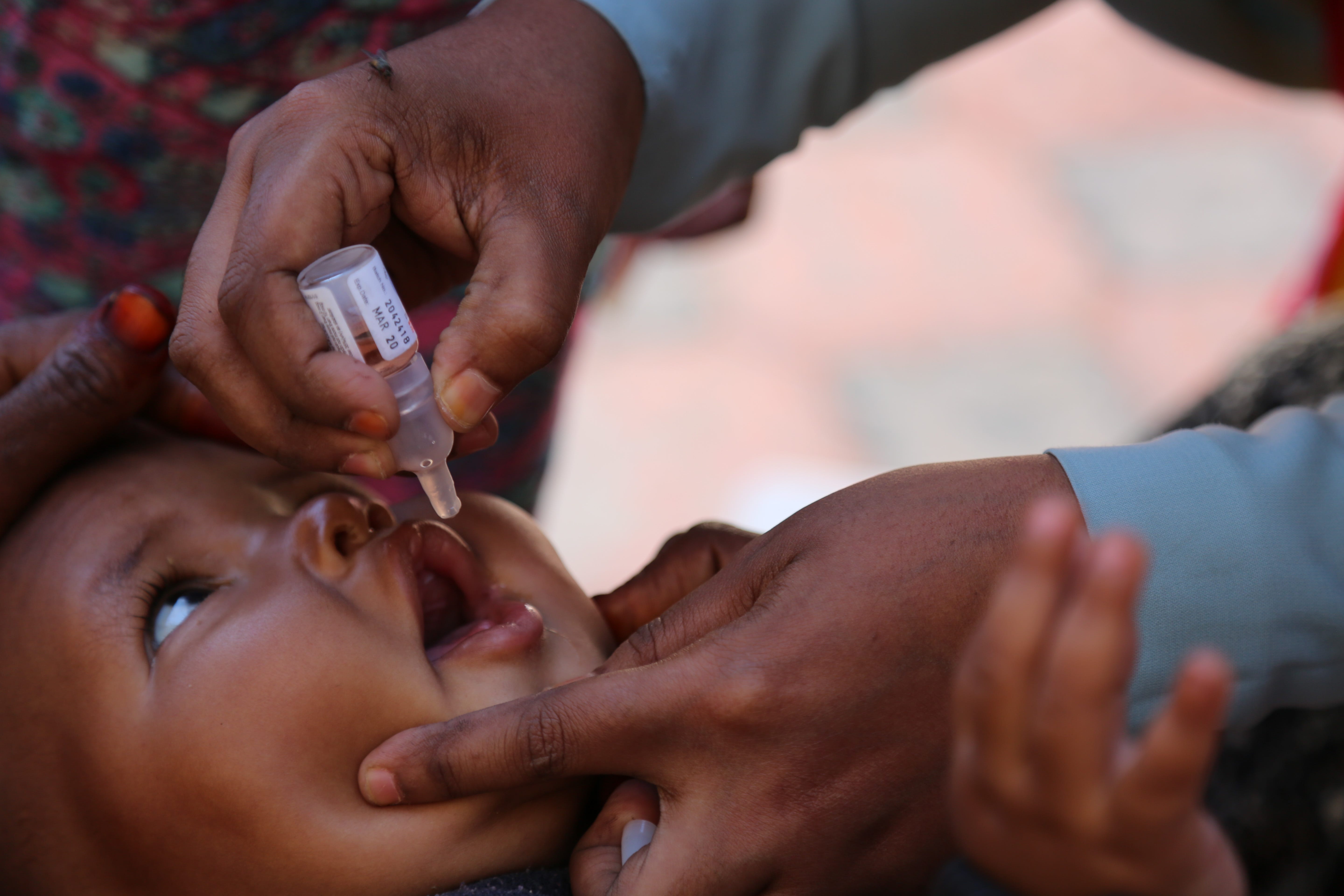
That year Nelson
Mandela launched the "Kick Polio Out of Africa" programme, mobilising
millions of health workers who went village-to-village to hand-deliver
vaccines.
It
was backed by a coalition of groups including Rotary International which had
spearheaded the polio vaccination drive from the 1980s.
Since
1996 billions of oral polio vaccines have been provided, averting an estimated
1.8 million cases of wild poliovirus.
The last communities
at risk of polio live in some of the most complicated places to deliver
immunisation campaigns.
Nigeria
is the last country in Africa to have reported a case of wild polio - in Borno
state in Nigeria's remote north-east, and the epicentre of the Boko Haram
insurrection, in 2016.
At
the time it was a frustrating set-back as the country had made huge progress
and had gone two years without any cases being identified.
Outside
Nigeria, the last place to have seen a case of polio was in the Puntland region
of Somalia in 2014.
Conflict
with the Islamist militant group Boko Haram has made parts of Nigeria particularly
difficult to reach, Borno state in particular.
More
than two million people have been displaced by the fighting. Frontline workers,
95% of whom were women, managed to navigate areas of conflict like Lake Chad by
boat and deliver vaccines to remote communities.
Widespread
rumours and misinformation about the vaccine have also slowed down immunisation
efforts.
In
2003, Kano and a number of other northern states suspended immunisations
following reports by Muslim religious leaders that the vaccine was contaminated
with an anti-fertility agent as part of an American plot to make Muslim women
infertile. Laboratory tests by Nigerian scientists dismissed the accusations.
Vaccine
campaigns resumed the following year, but the rumours persisted. In 2013 nine
female polio vaccinators were killed in two shootings thought to be carried out
by Boko Haram at health centres in Kano.
It
has taken decades to achieve eradication and overcome suspicion around the
vaccine.
Winning the trust of
communities has been key.
Misbahu
Lawan Didi, president of the Nigerian Polio Survivors Association, says that
the role of survivors has been crucial in persuading people to accept the
campaign.
"Many rejected
the polio vaccine, but they see how much we struggle to reach them, sometimes
crawling large distances, to speak to them. We ask them: 'Don't you think it is
important for you to protect you child not to be like us?'"

From polio
survivors, to traditional and religious leaders, school teachers, parents,
volunteers and health workers, a huge coalition developed to defeat polio.
Working together they travelled to remote communities to immunise children.
Polio, or
poliomyelitis, mainly affects children aged under five.
Initial
symptoms include fever, fatigue, headache, vomiting, stiffness of the neck and
pains in the limbs. It also invades the nervous system and can cause total
paralysis in a matter of hours.
One
in 200 infections leads to irreversible paralysis. Among those paralysed, 5% to
10% of people die when their breathing muscles become immobilised.
Polio can be easily
imported into a country that is polio free and from there it can spread rapidly
among under-immunised populations.
This
happened in Angola, which despite decades of civil war, defeated polio in 2001.
The
country remained free from polio for four years until 2005 when a number of
cases were thought to have been brought in from outside the country.
The
WHO says that it is important countries remain vigilant and avoid complacency
until there is global eradication.
If
they let down their defence by failing to vaccinate, then wild polio could once
again begin to spread quickly.
For
all types of polio to be eliminated, including vaccine-derived polio,
vaccination efforts will need to continue alongside surveillance, to protect
children from being paralysed by the disease in the future.
FROM .bbc.com/news/world-africa
No comments