
Beirut Explosion: Angry Residents Demand Answers
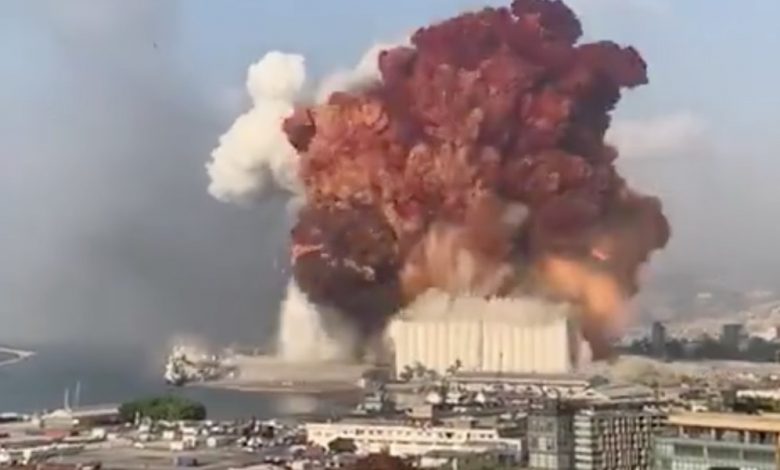
President
Michel Aoun said the blast was caused by 2,750 tonnes of ammonium nitrate
stored unsafely in a warehouse.
Many
have accused the authorities of corruption, neglect, and mismanagement.
The blast killed at least 137 people and injured about 5,000 others, while dozens
are still missing. A two-week state of emergency has begun.
French
architect Jean-Marc Bonfils, involved in rebuilding the city after the civil
war, and firefighter Sahar Fares, one of the first responders at the scene,
were among the first fatalities to be named. A German diplomat was also among
the dead.
"Beirut
is crying, Beirut is screaming, people are hysterical and people are
tired," filmmaker Jude Chehab told the BBC, calling for the people
responsible to face justice.
Chadia Elmeouchi
Noun, a resident currently in hospital, said: "I've known all the time
that we are led by incompetent people, incompetent government... But I tell you
something - what they have done now is absolutely criminal."
On
Wednesday, the government announced that a number of port officials were placed
under house arrest pending an investigation into the explosion.
The
country's Supreme Defence Council insisted that those found responsible would
face the "maximum punishment".
Meanwhile,
Amnesty International and Human Rights Watch (HRW) have called for an
independent investigation into the blast. In a statement, HRW said it had
"serious concerns about the ability of the Lebanese judiciary to conduct a
credible and transparent investigation on its own".
On Thursday
President Emmanuel Macron became the first world leader to visit the country -
a former colony of France - since the tragedy. He was mobbed as he walked
around the city.
He
told crowds he would not let aid go to "corrupt hands", and promised
to call for a "new political pact" from the country's leaders.
The
head of the port and the head of the customs authority said that they had
written to the judiciary several times asking that the chemical be exported or
sold on to ensure port safety.
Port
General Manager Hassan Koraytem told OTV they had been aware that the material
was dangerous when a court first ordered it stored in the warehouse, "but
not to this degree".
House arrest would
apply for all port officials "who have handled the affairs of storing
[the] ammonium nitrate, guarding it and handling its paperwork" since June
2014, said Information Minister Manal Abdel Samad.
The
ammonium nitrate arrived on a Moldovan-flagged ship, the Rhosus, which entered
Beirut port after suffering technical problems during its voyage from Georgia
to Mozambique, according to Shiparrested.com, which deals with shipping-related
legal cases.
The
Rhosus was inspected, banned from leaving, and was shortly afterward abandoned
by its owners, sparking several legal claims. Its cargo was stored in a port
warehouse for safety reasons, the report said.
FROM .bbc.com/news/world-middle-east
No comments