
Belarus Leader Orders Clampdown Of Unrest
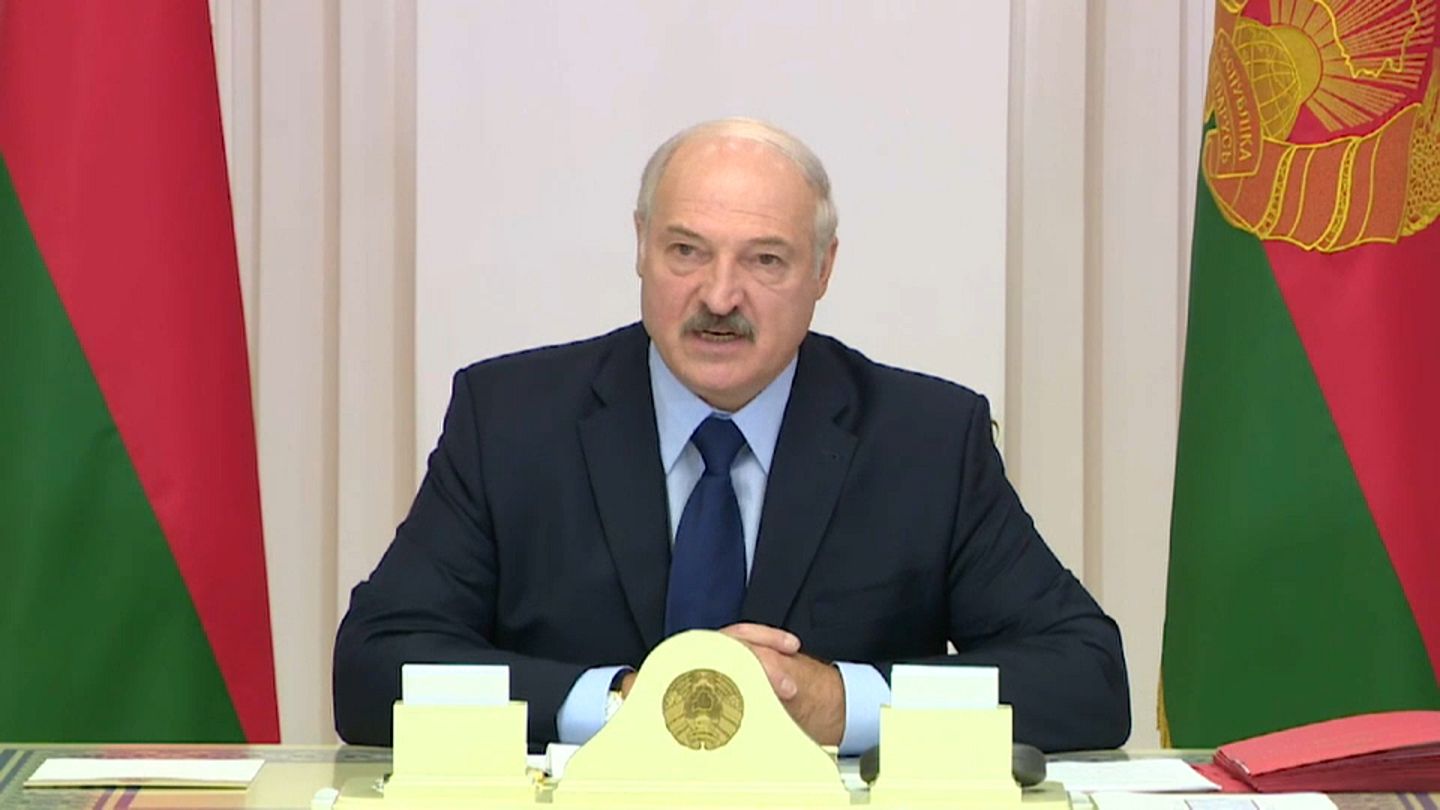
The official result
gave him 80% of the vote but the opposition has denounced the poll as
fraudulent.
Mr. Lukashenko says
he has given orders to end the unrest in the capital Minsk.
The move signaled
an escalation just as EU leaders agreed to impose sanctions at a virtual
summit.
The President of the
European Council, Charles Michel, made clear that the EU did not recognise the
result of the election and called on Mr. Lukashenko to release hundreds of
protesters who have been imprisoned.
The man who has led
Belarus since 1994 said he had ordered police to quell protests in Minsk.
"There should no longer be any disorder in Minsk of any kind," he
told his security council.
"People are
tired. People demand peace and quiet," he added. He said he had ordered
border controls to be tightened to prevent an influx of "fighters and
arms".
He also warned that workers at state media who had gone on strike in protest at the election and the subsequent crackdown on protests that they would not get their jobs back. Russian replacements have reportedly been brought in. Mr. Lukashenko also accused those picketing outside factories of harassing workers.
He had earlier
accused the opposition of "an attempt to seize power".
The BBC's Jonah
Fisher in Minsk said there had already been some signs this morning of a change
in tactics from the Belarusian authorities in Minsk.
Our correspondent
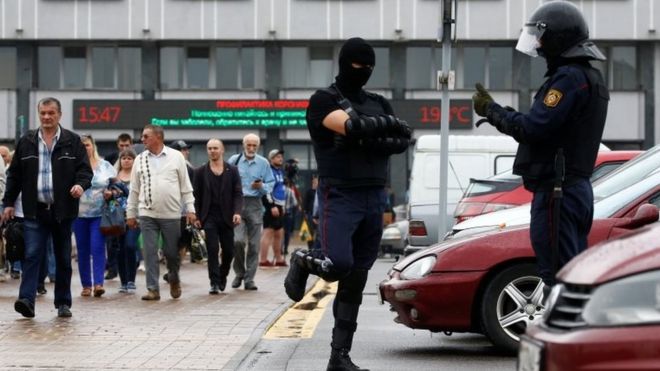
said that a checkpoint had appeared on the road leading to the state TV
building with police checking the identity of anyone walking to the building.
Strikes at factories around Minsk have also been obstructed by police.
Mr. Lukashenko's
remarks came shortly after the exiled leader of the opposition, Svetlana
Tikhanovskaya had urged EU leaders to reject the election.
The 37-year-old, who
left for Lithuania after being detained for hours following the vote, released
a video statement on Wednesday.
She said, President
Lukashenko had "lost all legitimacy in the eyes of our nation and the
world" and urged the EU to back what she called the "awakening of
Belarus".
She said:
"People who went out to defend their vote in the streets of their cities
all across Belarus were brutally beaten, imprisoned and tortured by the regime
desperately clinging on to power. This is taking place right now in the middle
of Europe."
Ms. Tikhanovskaya has
formed a "co-ordination council" with plans for "new, fair and
democratic presidential elections with international supervision".
After a three-hour
video conference, EU Leaders agreed unanimously to take three actions over
Belarus, BBC Europe Correspondent Gavin Lee reports:
In addition, €53m
(£48m; $63m) of financial support from the EU to Belarus is being re-assigned
away from the state to non-governmental organisations, with some money assigned
to help the victims of violence, as well as setting up alternatives to government-backed
media organisations.
German Chancellor
Angela Merkel said the election had been neither free nor fair.
EU leaders, she
added, condemned "the brutal violence against demonstrators as well as the
imprisonment and use of violence against thousands of Belarusians" which
followed in the wake of the disputed election.
She and European
Commission President Ursula von der Leyen stressed the need for a dialogue
between the authorities and the opposition in Belarus.
On Saturday, Mr
Lukashenko had said that Russian President Vladimir Putin had promised to
provide assistance in the event of any external military threat.
But on Wednesday,
Kremlin spokesman Dmitry Peskov said that there was no need for Russia to help
Belarus militarily or otherwise at present.
Mrs. Merkel said that
"we've made it clear that military intervention by Russia would make the
situation far more complicated".
FROM .bbc.com/news/world-europe
No comments