
Professor Ogunsola is New UNILAG VC
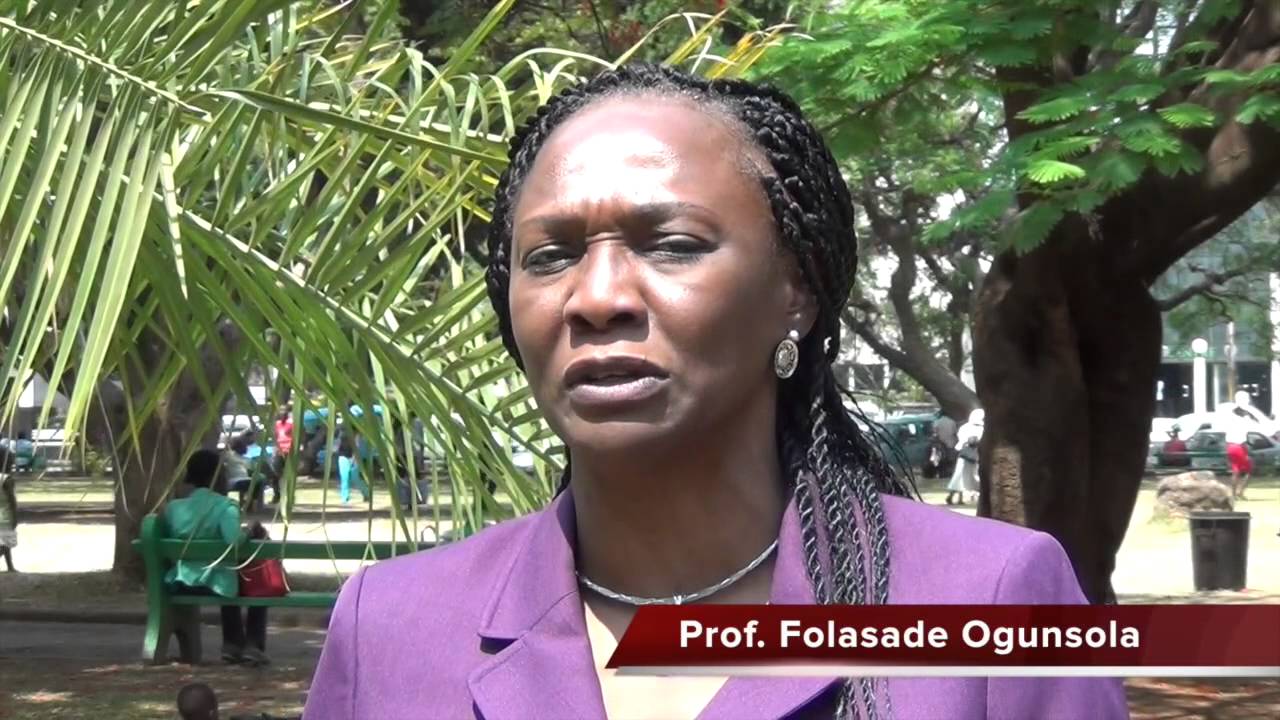
Professor
Folasade Ogunsola has been elected as the acting vice chancellor of University
of Lagos. She secured the highest number of votes in the election held by members
of the University Senate to choose an acting Vice-Chancellor.
Before her
emergence, She was the Deputy Vice-Chancellor, Development Services at UNILAG .
Ogunsola’s
nomination took place on Monday during a Senate meeting attended by 167
professors.
The result
of the election was announced by Chairman of the Senate Emergency Committee,
Prof. Chioma Agomo, showed that Prof.Ogunsola secured 135 of 167 votes
while Prof. Ben Ogbojafor, who was also considered for the post by members
of the Senate, secured 31 votes. One void vote was, however, recorded.
The Federal
Government last week had directed UNILAG Senate to reconvene to appoint an
acting VC and further directed the university’s
Pro-Chancellor and Chairman of Council, Chief Wale Babalakin, and
Vice-Chancellor, Prof. Oluwatoyin Ogundipe, to recuse themselves from official
duties of the institution, pending the outcome of the Special Visitation Panel
set up by the President Muhammadu Buhari (retd.).
Prof.
Folasade Tolulope Ogunsola was born in 1958. She is a professor of medical
microbiology who specialises in disease control, particularly HIV/AIDS.
Ogunsola was
also an ex-provost of the College of Medicine, University of Lagos, and is
reputed as being the first woman to occupy the position.
She became
the Deputy Vice-Chancellor (Development Services) of the institution in 2017.
“Her
research areas have been centered on the regulation and management of viral
diseases, particularly HIV.
“She is the
principal investigator at AIDS Prevention Initiative in Nigeria at the
University of Lagos.
“She has
also been the chairman of the Infection Control Committee of Lagos University
Teaching Hospital. Additionally, she is the chairman of the National
Association of Colleges of Medicine in Nigeria.
“In 2018,
she expressed concern on disease prevention and control in Nigeria. She
identified poor hygiene and overuse of antibiotics as practices that foster
antimicrobial-drug resistance.
“Providing a
solution, she maintained that sustained Infection Prevention and Control
infrastructure and programmes should be built around a set of core components
which include guidelines, training, surveillance, multimodal strategies for
implementing IPC, monitoring and evaluation among others,” the citation added.

No comments