
Cyclone Idai Survivors Desperate for Help
Mozambique's
port city of Beira is reeling from the damage inflicted by Cyclone Idai.
So far 200
people have been confirmed dead in the southern African country, but the death
toll could be much higher.
Those who
survived the disaster have had little reprieve to mourn the loss of their loved
ones or salvage the little that is remaining of their belongings. They are in
desperate need of food, shelter and clothing, as the BBC's Pumza Fihlani
reports from Beira.
Inside a
makeshift response centre at the airport in Beira, aid agencies are scrambling
to get to those still trapped across the region.
It's the first
point of call for all the teams coming in from around the world and offers the
first glimpse of how heavily this operation is relying on outside help.
A few
kilometres away, panic is setting in. The people of Beira are growing anxious -
help is coming, but it is really slow and not nearly enough.
"I have
nothing. I have lost everything. We don't have food. I don't even have
blankets. We need help," one woman tells me as we make our way through the
village of Manhava.
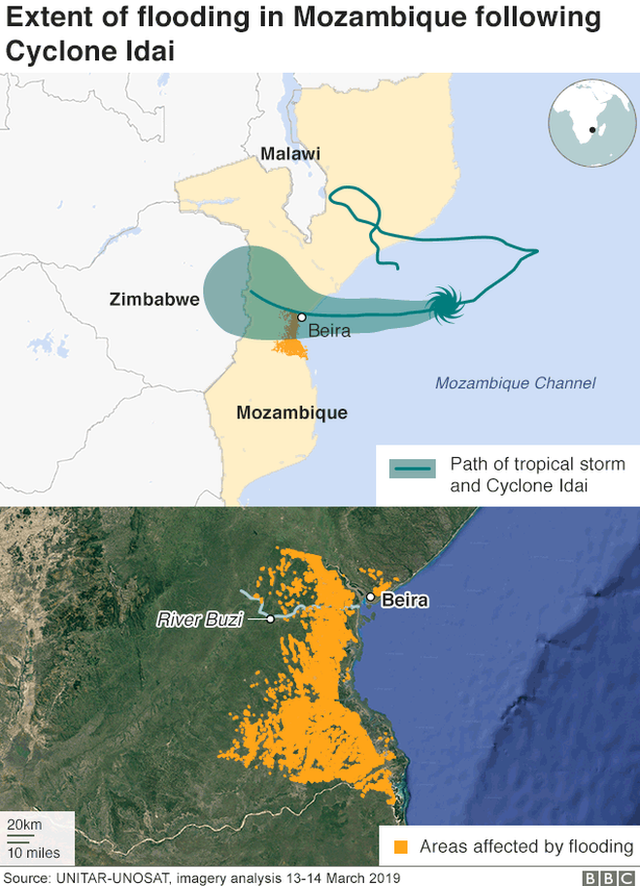
Beira's
geography, with parts of it lying below sea level, has always made it
vulnerable to effects of extreme weather like Cyclone Ida which made landfall
last week with winds of up to 177 km/h (106 mph).
The city
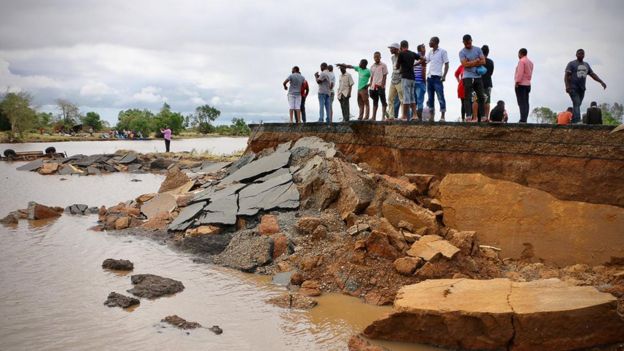
bore the full brunt of the destructive storm, which triggered flooding of the
whole city and knocked down buildings and cut off roads. This is now stalling
rescuers from reaching desperate people in need.
Some people
here are trying to salvage what they can to create shelter. Those who can are
repairing their metal roofs, while others are tying together pine branches to
sleep under.
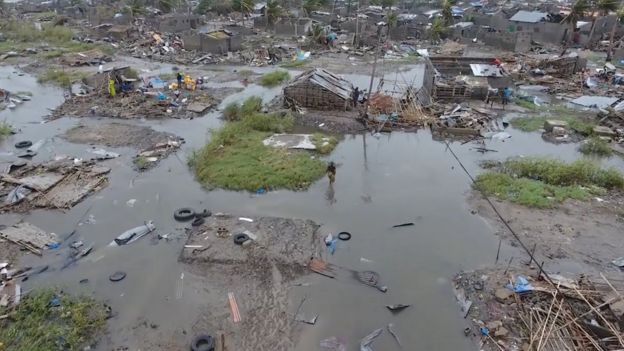
Homes have
been damaged, some even completely destroyed, and there are pools of water
everywhere.
A local
church has become a temporary home for scores of people. Half of its roof was
blown off, but the walls have held and to some it is better than being out in
the cold.
The UN has
said that Cyclone Idai triggered a "massive disaster" in southern
Africa, affecting hundreds of thousands if not millions of people.
Neighbouring
Zimbabwe and Malawi have also been affected by the freak storm that has caused
the deaths of dozens and displacement of thousands of people.
Everyone we
come across here is begging us to come into their homes to show us what they
have lost and how nature has stolen from them.
We are the
first people they have seen since the cyclone hit a few days ago.
"Please
help us. Tell the world we are suffering. We don't know where we are going to
sleep," says Pedro, a father of three children all under the age of 10.
The
residents here feel like they have been forgotten.
As the full
picture of this crisis slowly becomes clear, there are questions about whether
the government of Mozambique could have done more to prepare for the disaster.
The floods
of the year 2000 claimed hundreds of lives and yet some here feel lessons have
not been learned.
"Our
city was destroyed so easily because our infrastructure is not taken care of.
Every time there is a problem here we need foreign countries to save us. What
is our government doing, what is our own plan?" our driver asks me.
Back at the
airport, a helicopter has just landed and rescue workers rush out carrying in
their arms children whose eyes are wide with fear.
"Many
villages have been washed away. We found women and children holding on to
trees. We are doing what we can," said one of the rescuers.
More rains
are expected and those who made it to safety are the lucky ones.
Mozambique
President Felipe Nyusi has said more than 100,000 people are at risk - and
there is growing concern that help may not get to them in time.
FROM .bbc.com/news/world-africa-
No comments